Understanding Renewable Energy and Planning Across the UK
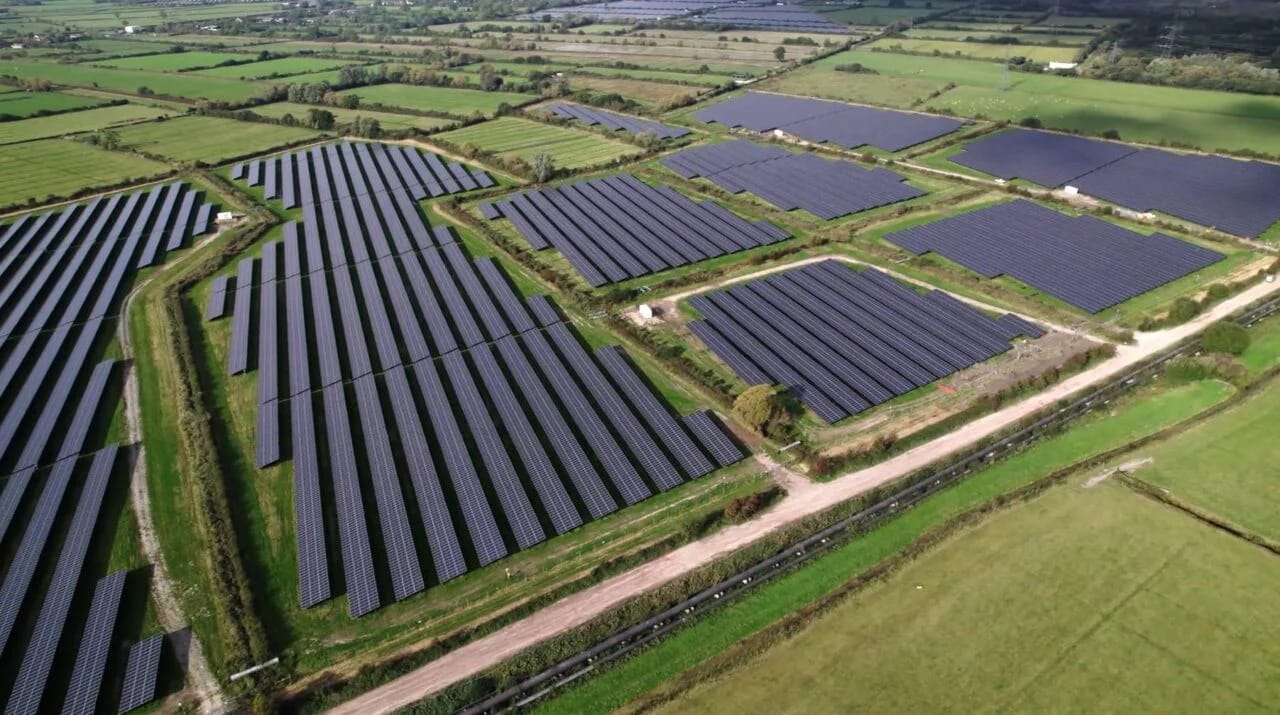
Renewable energy plays a vital role in the United Kingdom’s transition to a low-carbon future. While national targets and policies set the overall direction, planning rules and decision-making differ across the UK, reflecting devolved governance and regional priorities.
This page provides an overview of renewable energy technologies and explains how planning policy varies across England, Scotland, Wales, and Northern Ireland.
What Is Renewable Energy?
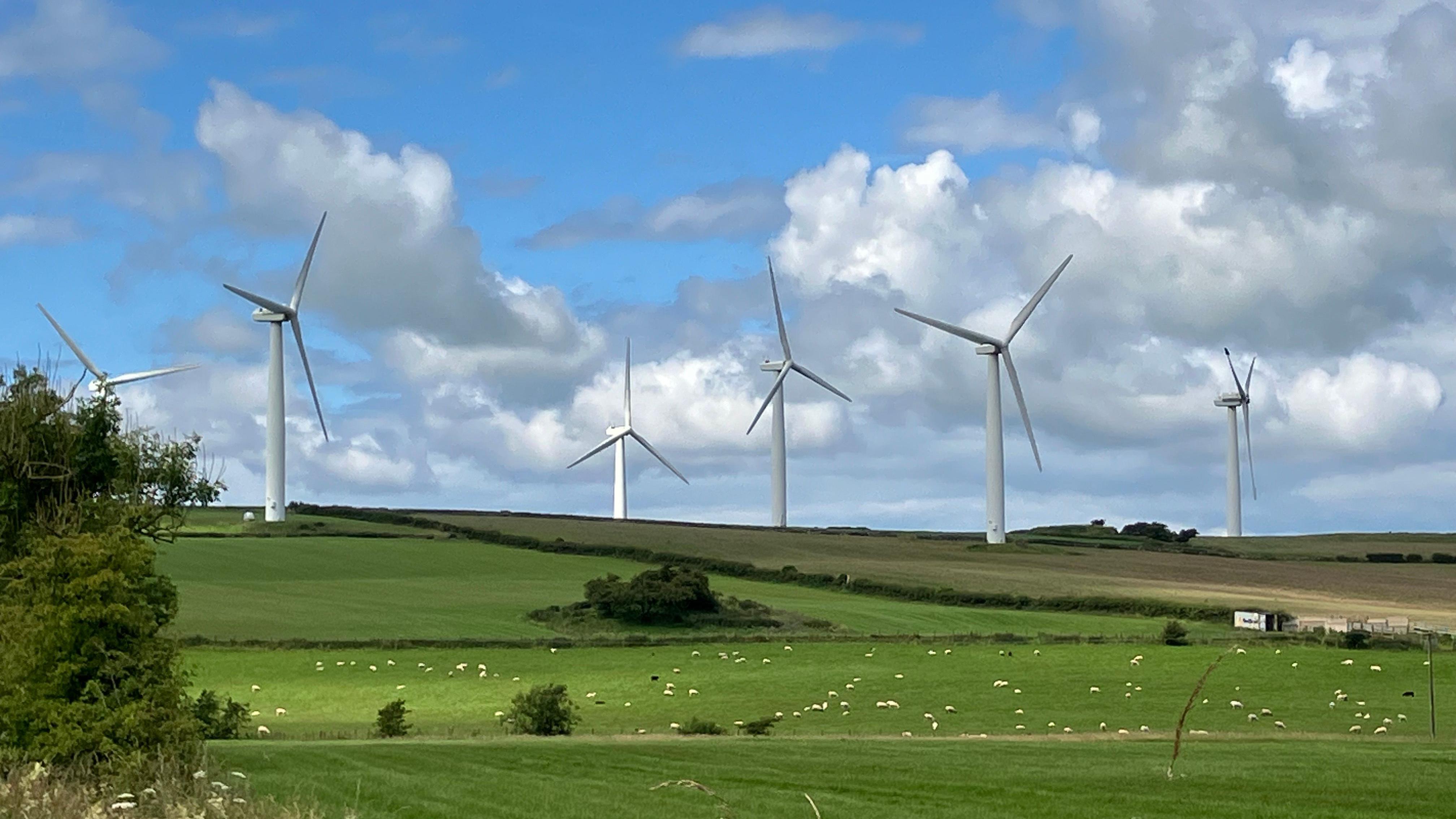
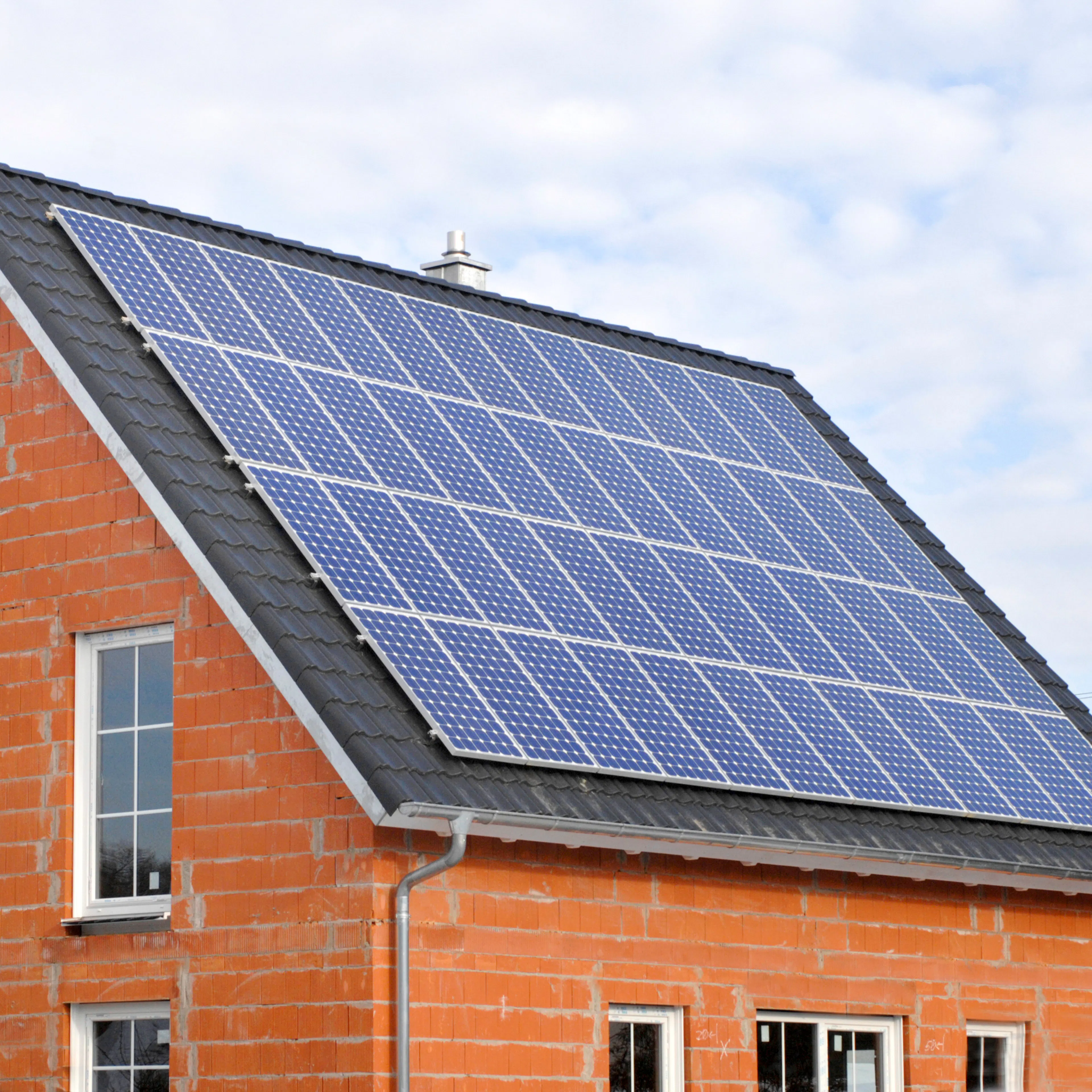
Renewable energy comes from natural sources that are continually replenished. In the UK, the most common forms include:
- Onshore and offshore wind
- Solar photovoltaics (PV)
- Hydropower
- Biomass and bioenergy
- Tidal and wave energy
- Heat pumps (for householders and businesses)
Each technology has different land, environmental, and infrastructure requirements, which directly influence how planning authorities assess proposals.
Why Planning Matters for Renewable Energy

Planning systems ensure that renewable energy developments are:
- Located in appropriate places
- Designed to minimise environmental and visual impacts
- Supported by local and national policy
- Informed by public consultation
Although climate change is a global challenge, planning is largely devolved, meaning policies and processes vary across different nations.
Planning for Renewable Energy in England
In England, renewable energy planning is guided by national policy but delivered locally.
Key features include:
- The National Planning Policy Framework (NPPF) sets overarching principles
- Local planning authorities determine most applications
- Onshore wind proposals must align with local development plans and demonstrate community support
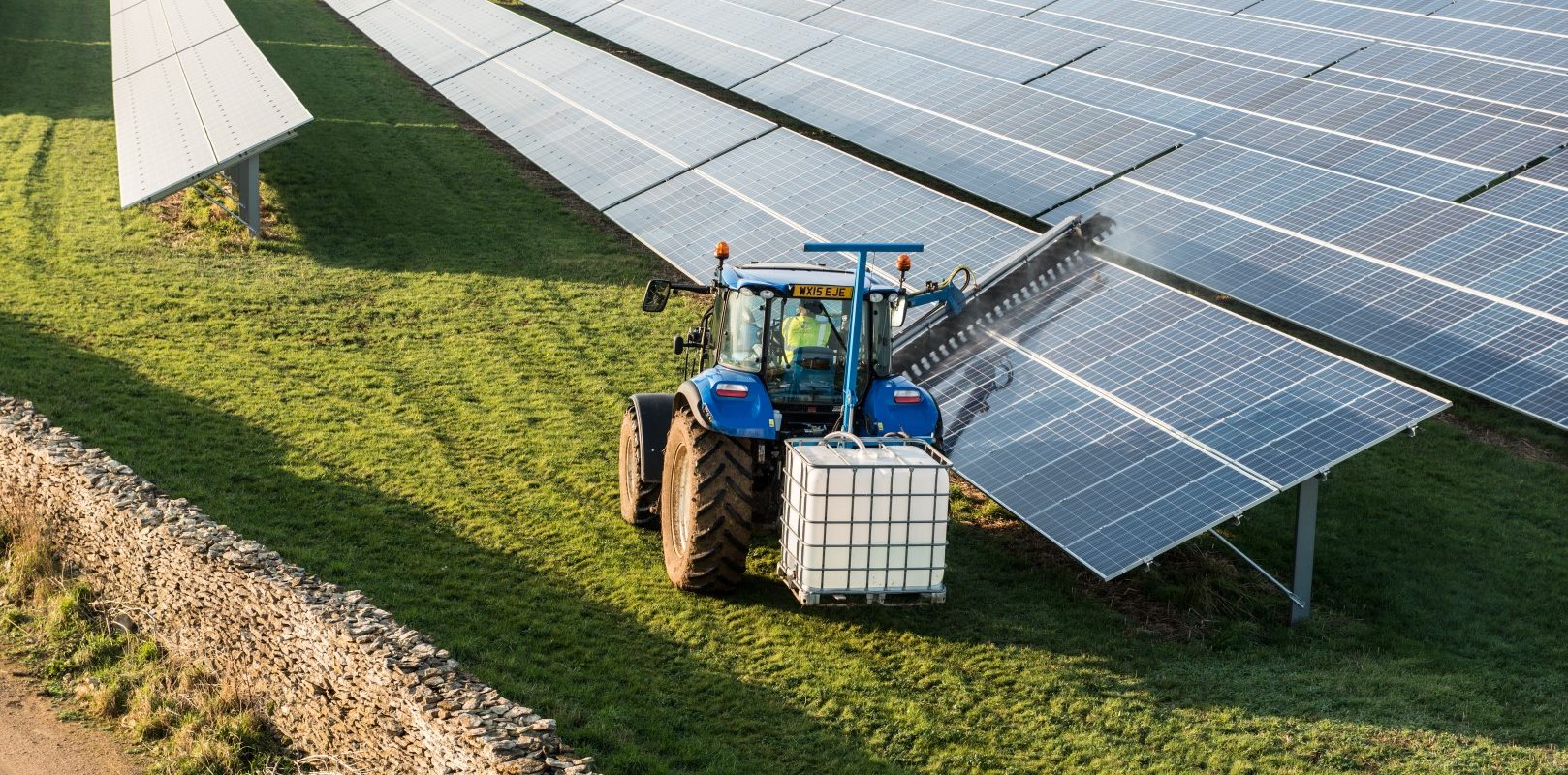
- Solar and battery storage projects are increasingly common in rural and edge-of-settlement locations
England places strong emphasis on balancing renewable energy delivery with landscape protection and local amenity.
Planning for Renewable Energy in Scotland
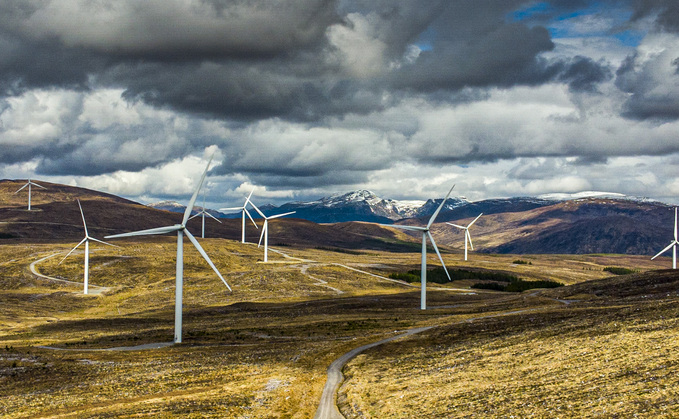

Scotland has some of the most ambitious renewable energy policies in the UK.
Key characteristics:
- Strong national policy support for onshore wind
- National and local development plans identify areas of opportunity and constraint
- Significant experience with large-scale wind and hydro projects
- Clear spatial frameworks for renewable energy development
Scotland’s planning system actively supports renewables as a cornerstone of economic development and climate action.
Planning for Renewable Energy in Wales
In Wales, renewable energy planning is shaped by a national strategy that encourages low-carbon development.
Key elements include:
- A plan-led approach that identifies “Pre-Assessed Areas” for wind
- Strong emphasis on landscape sensitivity and community benefit
- Support for locally owned and community-scale energy schemes
- Alignment with national decarbonisation goals
Wales promotes renewable energy as part of a wider sustainable development agenda.
Planning for Renewable Energy in Northern Ireland
Renewable energy planning in Northern Ireland operates within a distinct legislative and policy framework.
Key considerations include:
- Regional policy guidance and strategic planning policy statements
- Careful assessment of visual, ecological, and heritage impacts
- High levels of onshore wind development relative to land area
- Grid capacity and infrastructure constraints in some locations
Decision-making often focuses on cumulative impacts and landscape character.
A Shared Goal, Different Approaches
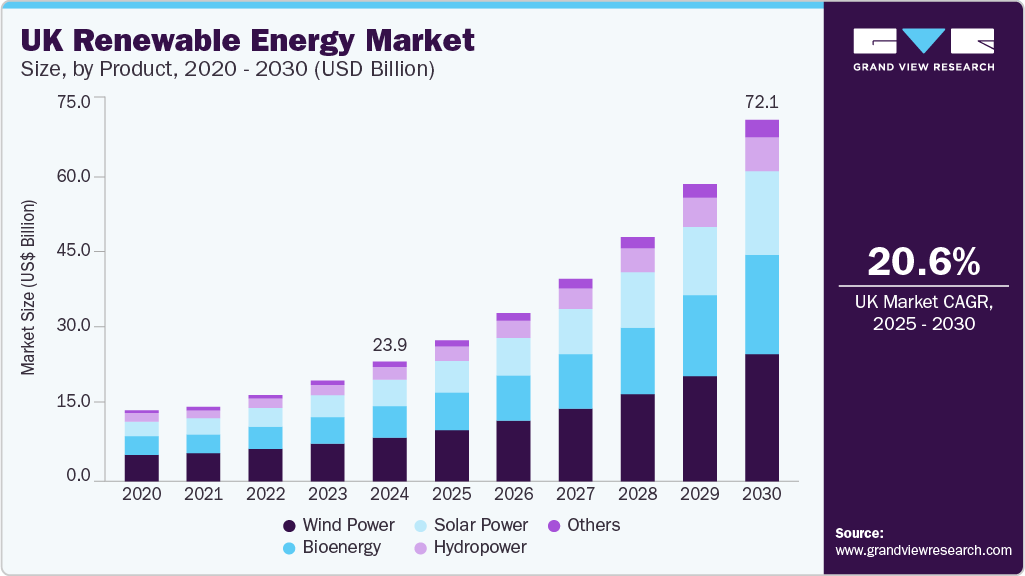
Across all parts of the UK, renewable energy is central to achieving net zero carbon targets. However, the route to delivery varies depending on planning structures, geography, and political priorities.
Understanding these differences is essential for:
- Developers and landowners
- Local authorities and planners
- Communities engaging with proposals
- Investors and energy professionals
Conclusion
Renewable energy planning in the UK is not one-size-fits-all. While national ambitions are shared, each country applies its own planning policies and priorities. By understanding these regional differences, stakeholders can better navigate the planning process and support the transition to a cleaner, more sustainable energy system.